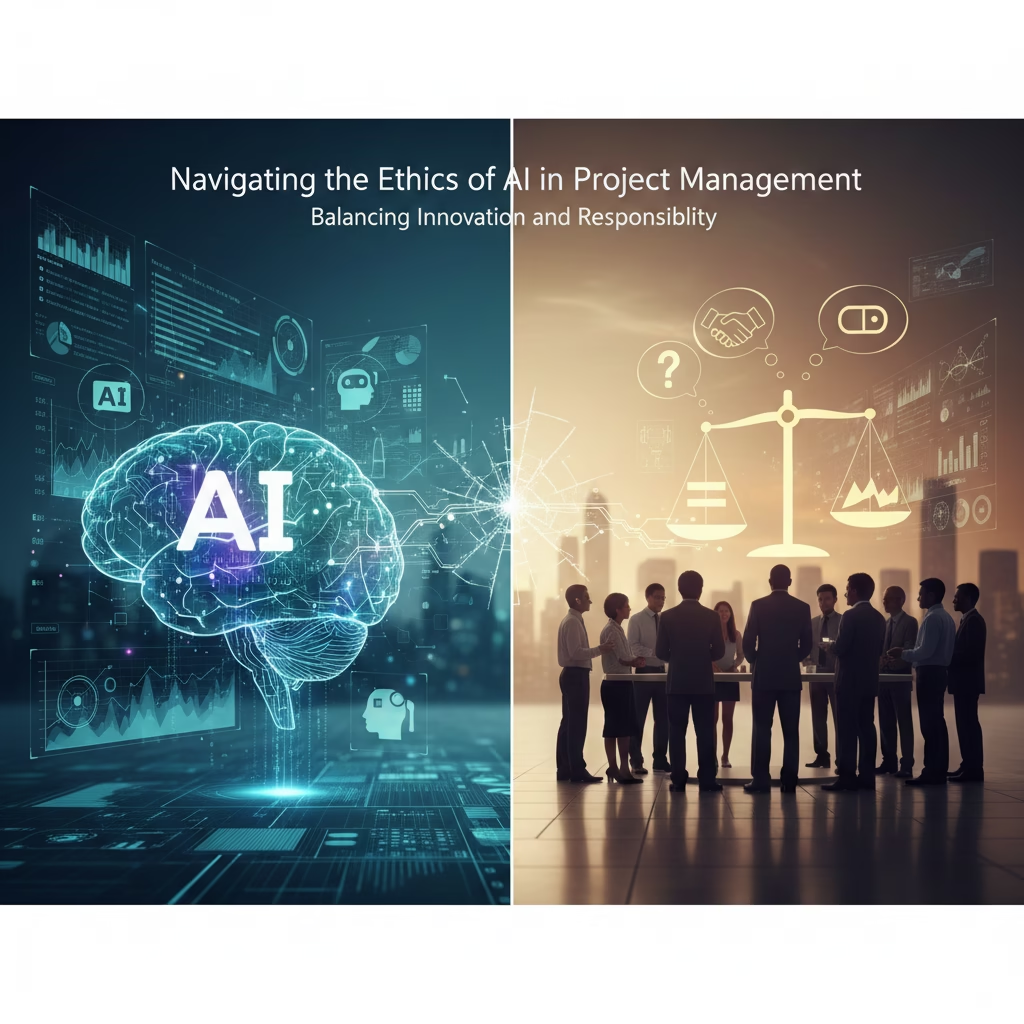
Navigating the Ethics of AI in Project Management
Artificial intelligence is rapidly transforming project management, but with great power comes great responsibility. A shocking Gartner report reveals that by 2025, 75% of large enterprises will have AI governance frameworks, yet only 20% will have successfully mitigated algorithmic bias (Gartner, 2024). Here’s how project managers can achieve responsible AI adoption with practical, strategic strategies.
The AI revolution in project management is both exciting and precarious. Imagine deploying an AI tool that inadvertently screens out diverse candidates or makes critical decisions without transparency. These aren’t hypothetical risks, they’re real challenges facing today’s project leaders.
Identify and Mitigate Algorithmic Bias
Understanding and preventing AI bias is crucial. The MIT Technology Review found that certain AI algorithms can perpetuate workplace discrimination by up to 35% if not carefully designed. To combat this, you must:
– Audit training data for representational diversity
– Implement multi-perspective review processes
– Use diverse development teams to create AI tools
Establish Transparent AI Decision Frameworks
Transparency builds trust. The IEEE’s Ethically Aligned Design principles recommend creating clear documentation for AI decision-making processes. Your team should:
– Document AI algorithm decision trees
– Create accessible explanation mechanisms
– Regularly review and update AI decision protocols
Develop Comprehensive AI Governance Strategies
Regulatory compliance isn’t optional. The EU’s AI Act and expanded GDPR regulations mandate strict ethical guidelines. Your governance strategy should include:
– Regular ethical impact assessments
– Clear accountability mechanisms
– Ongoing training on AI ethics
Case Study: Ethical AI Success
Take Deloitte’s approach: By implementing rigorous AI ethics protocols, they reduced potential bias by 40% and increased stakeholder trust. Their model demonstrates how ethical AI isn’t just responsible, it’s a competitive advantage.
Steps you can take today
1. Conduct an AI ethics workshop within your next team meeting
2. Download the IEEE Ethical AI Checklist
3. Schedule a comprehensive AI bias audit
The future of project management isn’t just about technological advancement; it’s about responsible, ethical innovation. By prioritizing transparency, fairness, and continuous learning, you’ll not only mitigate risks but create more inclusive, effective project environments.
What’s your experience with AI ethics in project management? Share your insights, challenges, and success stories in the comments below. Together, we can shape a more responsible AI-powered future.